

![[Section Divider Image]](https://substackcdn.com/image/fetch/$s_!LtKI!,w_1456,c_limit,f_webp,q_auto:good,fl_progressive:steep/https%3A%2F%2Fsubstack-post-media.s3.amazonaws.com%2Fpublic%2Fimages%2Fb2788e1d-c2ac-4777-a61e-c8bde8e8ee64_1320x50.webp "[Section Divider Image]")
Everyone’s celebrating the numbers.
Record US energy exports. A surge of 2.5 million barrels a day above recent averages, unprecedented volumes flowing out to Europe and Asia, and the administration taking a very public victory lap. Making America great again, energy edition. The headlines are ecstatic. The commentary is effusive. You’d be forgiven for thinking the cavalry had arrived.
There’s just one question nobody seems to be asking.
Where, exactly, is the oil coming from?
Drilling Down
Here’s the part the victory speeches leave out.
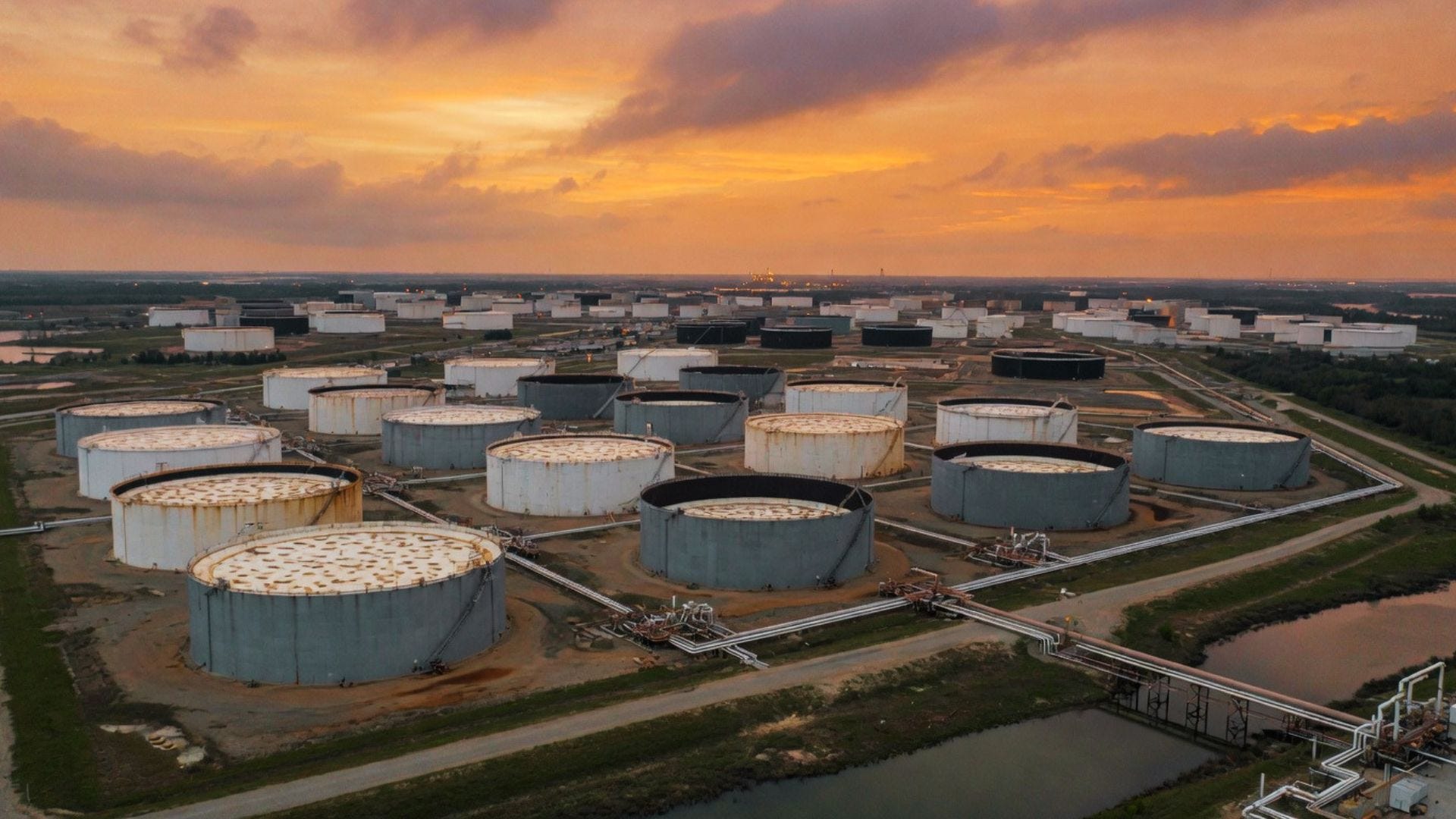
The surge isn’t coming from production. It’s coming from the Strategic Petroleum Reserve. The US is drawing down its emergency stockpile...the buffer built precisely for moments of global supply disruption...and presenting the numbers as if they represent new domestic output.
That distinction is not a minor accounting quibble. It is the entire story.
The reserve entered 2026 at roughly 411 million barrels. That sounds substantial until you remember it peaked at 727 million in 2009 and has been drawn down repeatedly since. The Biden administration drained nearly 180 million barrels in 2022 alone. It was still being slowly rebuilt when the current conflict started. And now it’s being tapped again, at scale, to support the export surge.
A finite buffer being treated as a production stream. That’s what the victory lap is actually about.
And the underlying production picture? Considerably less impressive than the export figures suggest.
The Treadmill Has a Speed Limit
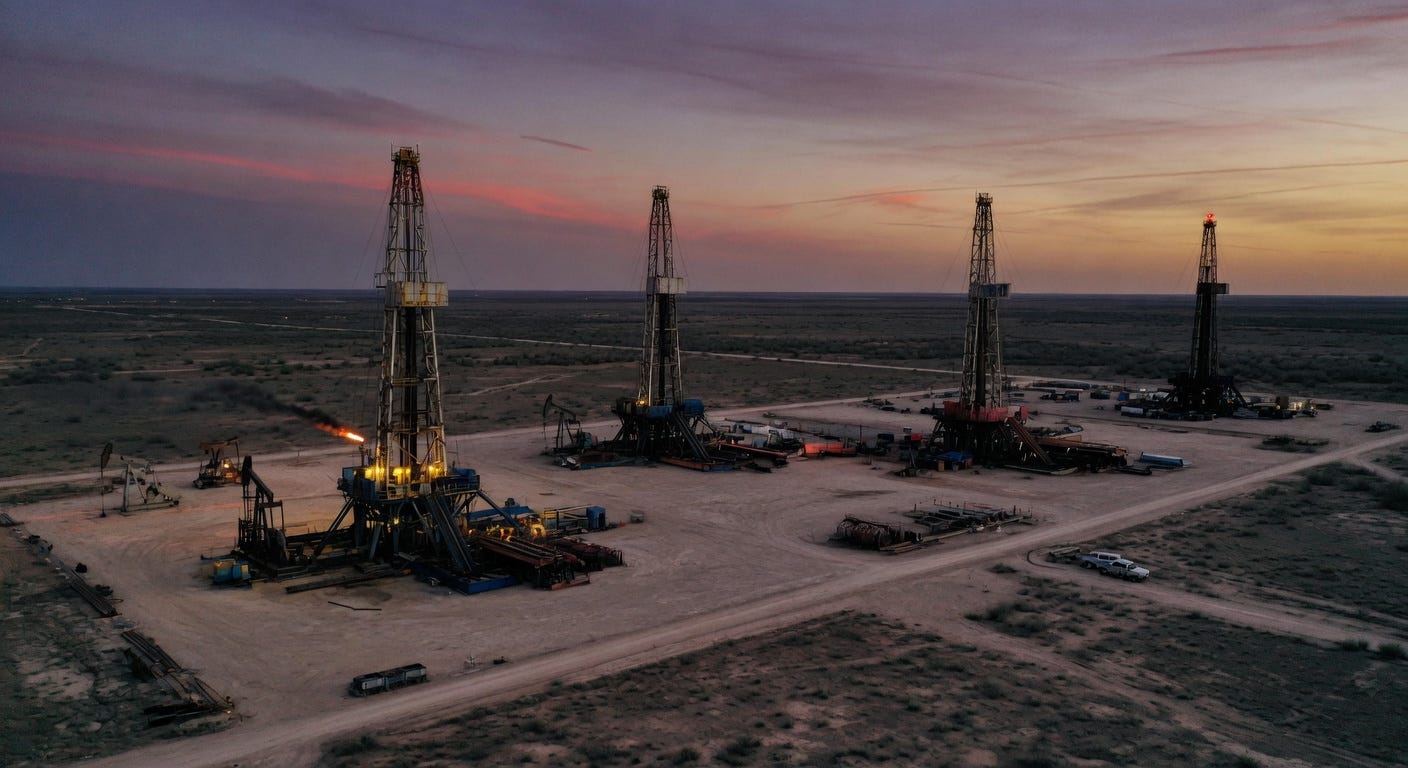
The shale revolution genuinely changed the game. That’s not in dispute. From roughly 2010 onwards, US tight oil production surged in a way that surprised nearly everyone, including us. But shale is not one undifferentiated resource. It’s a collection of distinct basins, each with its own depletion curve and its own ceiling.
The Eagle Ford and Bakken...two of the largest shale plays outside the Permian...have already contracted from roughly a quarter of total US crude production in 2017 to about 19 percent today, per EIA data. The trend is not ambiguous. Every major shale basin outside the Permian crossed into structural decline between 2018 and 2019.

That left one basin carrying the whole story: the Permian, in west Texas and New Mexico. The EIA’s own January 2026 forecast projected US crude production falling from a record 13.6 million barrels per day in 2025 to 13.3 million by 2027 as Lower 48 declines outpace modest offshore growth. That projection predates the conflict and the well shut-in dynamic now underway. When you cap wells because the tankers that normally take the output can’t move, you damage future production capacity. Sometimes permanently. The longer the shut-in, the harder the reopening. And you rarely get the same volumes back.

Conventional oil, for its part, has been in structural decline for decades. The IEA has documented this in depth. Shale made the numbers look better than the underlying geology warranted. Now the shale basins are peaking too, one by one.
The Permian was always the last holdout. It may have just joined the others.
The Bond Market Wearing an Energy Costume
If the underlying production base is declining, why accelerate SPR drawdowns now? What’s the actual logic?
Dollar demand. Bond market support.
US Treasury yields have been climbing. The deficit is running in the trillions annually. Foreign appetite for long-duration US debt has been eroding for years and the conflict has accelerated that trend sharply. The US needs buyers for its bonds. One mechanism for generating global dollar demand is to flood the world with energy sold exclusively in dollars. Even if that energy comes from a strategic reserve rather than the ground.
In other words, the SPR release isn’t primarily an energy policy. It is a bond market operation wearing an energy policy costume.
The dollars flow back. Treasury demand gets a short-term boost. The export figures look extraordinary on the quarterly report. And the reserve gets a little thinner each week.
Clever in the short term. Not a durable production strategy.
What Comes Next
The math that follows from all of this is not complicated.
Conventional oil in a structural long-term decline. Shale basins outside the Permian already past peak. The Permian itself tipping into year-over-year decline as capital expenditure collapsed after 2014 and the green-policy regime made replacing it politically difficult. Global supply destruction from shut-in wells that won’t come back at full capacity even if the conflict ended tomorrow. And a strategic reserve being drawn down to fund the optics of a victory lap.
The EIA’s January 2026 production forecast was built before any of the conflict disruption entered the calculation. The actual forward numbers, looking out 18 months, are likely worse than any pre-conflict model suggests. There is no large new supply coming to replace what’s being burned through. Building a refinery takes years. Drilling a replacement well takes months. The SPR drawdown takes weeks.
The timelines don’t line up. That’s the problem.
Three Cents on the Dollar
Energy as a share of the S&P 500 sits at roughly 3.3 percent. In 2008, when oil was making headlines for the opposite reason, the sector was nearly 15 percent of the index. The sector most directly positioned to benefit from the largest supply shock in modern energy history represents three and a third cents in every dollar of America’s benchmark index.
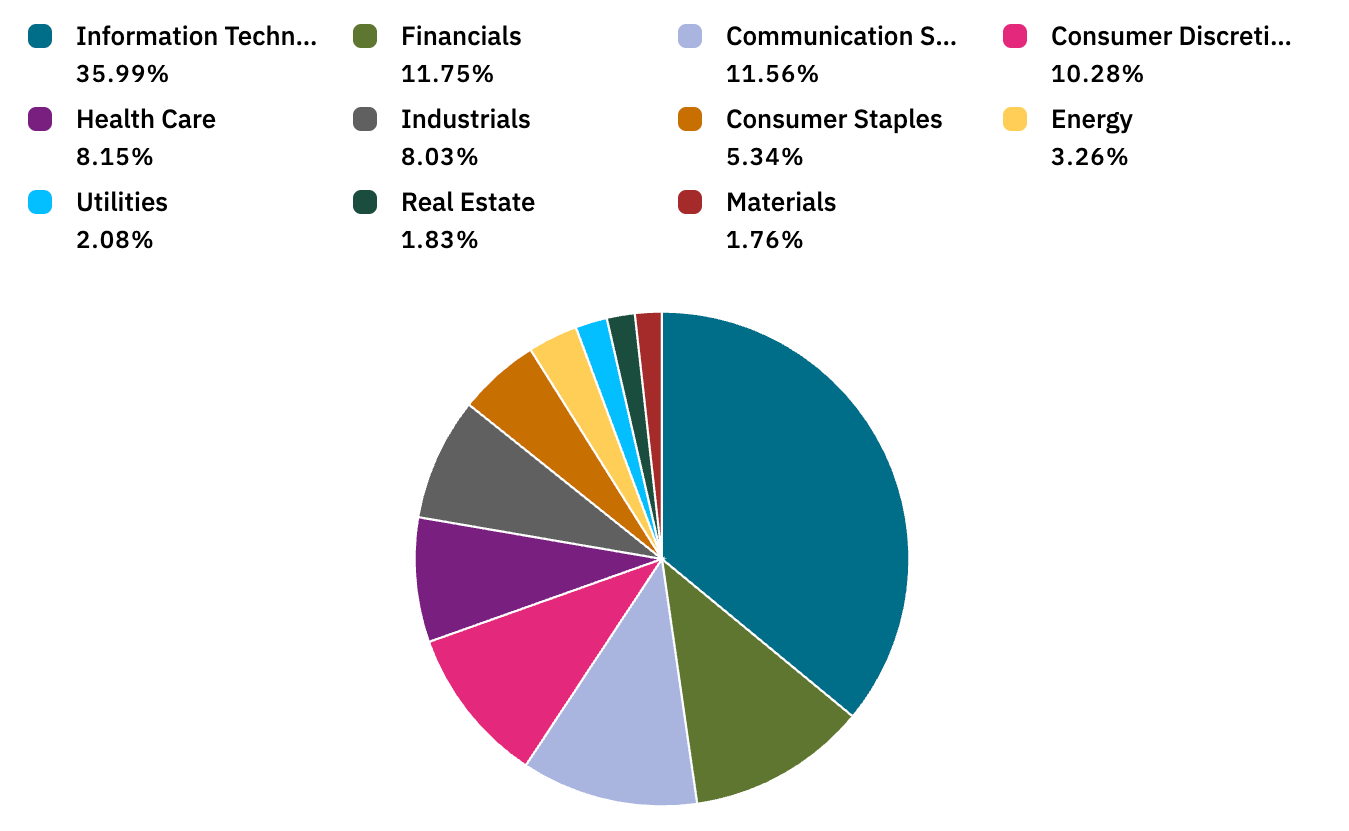
Sheesh.
We’ve covered the forward supply picture in Countdown to Shortages. We’ve covered the incentive structure keeping the conflict from resolving in Follow the Incentives. The physical picture keeps getting harder each week the reserve draws down and the treadmill slows.
We are heavily positioned in energy. We have been for years, well before the current conflict confirmed what the underlying supply math was already telegraphing. The specific names, the recent portfolio moves, and where the asymmetry still sits within the sector...that’s in the full Insider program. Find it at capitalistexploits.at.
Do your own research. Understand your own risk tolerance. But don’t let a victory lap become a reason to miss the question underneath it.
A reserve is not a well. One of those runs out.