

The Heritage Foundation’s 2026 Index of Economic Freedom landed in February. Singapore is number one, again. Switzerland, Ireland, Australia, and Taiwan fill out the top five. China sits at 154th, in the “repressed” tier. The single largest improvement of any country on the list is Argentina, up 3.2 points under Milei... a story we have been long for years and intend to stay long for considerably more of.
But the top of the list is the part that should make most Western readers uncomfortable. Singapore is the country a Westerner pictures when they hear “strict regime”... chewing gum bans, judicial caning still on the books, a political opposition that lives in defamation court more often than in Parliament. Australia, fourth, is the country that locked its own citizens inside their homes for the longest stretch in the developed world during COVID, ran a literal quarantine camp in the Northern Territory called the Centre for National Resilience, destroyed roughly 650,000 firearms after Port Arthur and announced a fresh national gun buyback in December 2025, and now operates a federal eSafety regime with the legislated power to issue takedown notices to individual citizens and fine them six figures for non-compliance.
These are not countries Western political commentary uses the word “freedom” to describe. They sit at the top of an index titled exactly that.
Heritage isn’t measuring what most readers think the word means.
![[Section Divider Image]](https://substackcdn.com/image/fetch/$s_!AP5z!,f_auto,q_auto:good,fl_progressive:steep/https%3A%2F%2Fsubstack-post-media.s3.amazonaws.com%2Fpublic%2Fimages%2F6d8b0172-2ab3-4f83-9bf6-74739a1d12a1_1320x50.webp "[Section Divider Image]")
The Same Highway
The freedom most Westerners are trained to talk about is political freedom. Which is to say, voting. Voting for X. Voting for Y. Cheering or weeping, depending on the result. Then doing it again three or four years later when nothing has materially changed.
If the last decade should have taught anyone anything, it’s that the vote does very little. Different administrations across the West have promised quite a lot. They have delivered the same fiscal trajectory, the same regulatory ratchet, the same monetary architecture, and roughly the same foreign policy. The driver changes. The car changes. The road...does not.
The British example is the freshest one going. Since Rachel Reeves's October 2024 Budget, Capital Gains Tax on shares for higher-rate taxpayers has gone from 20% to 24%. The Business Asset Disposal Relief rate...which lets entrepreneurs pay a lower rate on the sale of their business...has nearly doubled, from 10% to 18%, with the final step taking effect 6 April 2026, just thirty days ago. Voters in 2024 did not vote for that, specifically. They voted for "change." They got it.
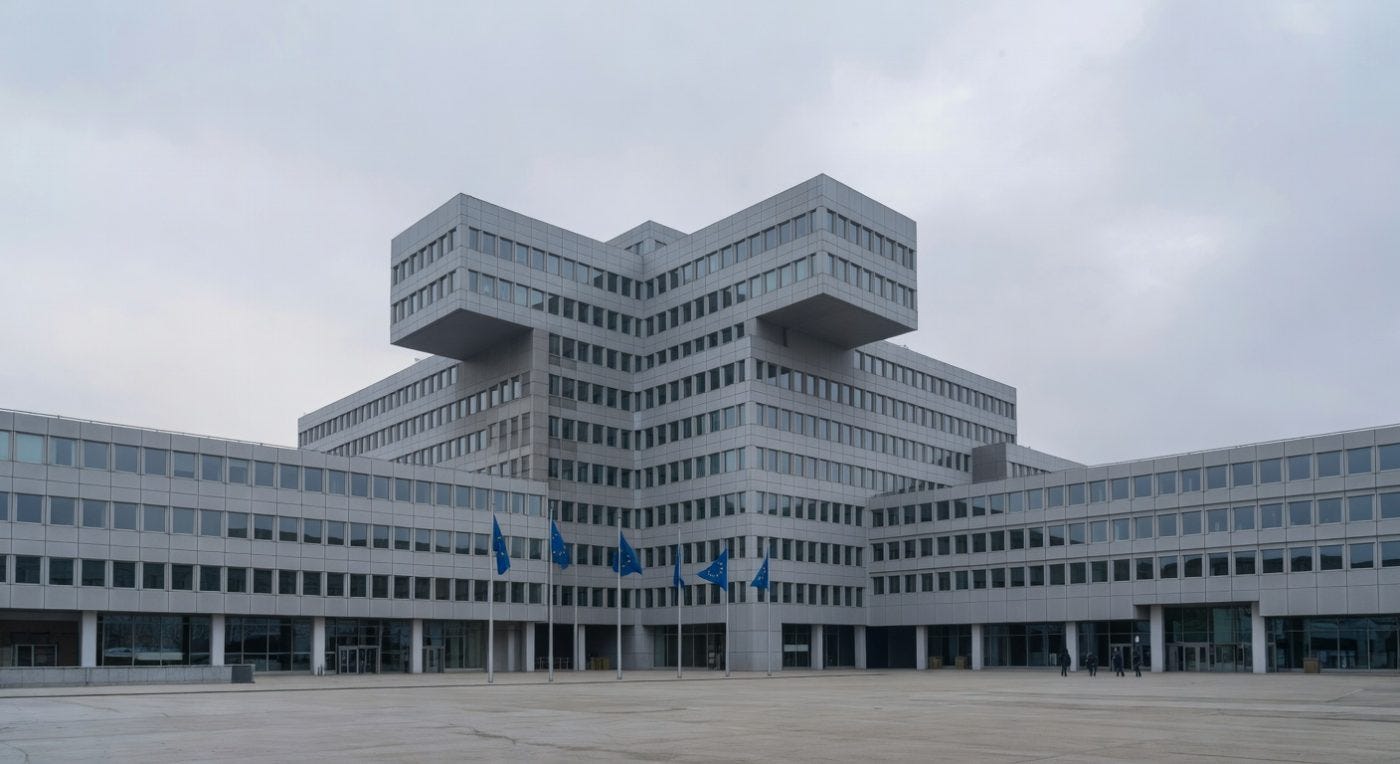
And Britain is the easy case. Across the Channel, the rules are not even being set by anyone the public votes for. The European Commission...the body that proposes nearly every piece of EU legislation...is not directly elected. Its President is nominated by national heads of state and rubber-stamped by Parliament. Ordinary citizens never see a Commissioner’s name on a ballot. Patrick Bet-David ran a useful interview with Professor Richard Werner and Luke Gromen recently, and Werner walked through the architecture in some detail. His description of the system...an unelected legislative body setting policy for elected national politicians who lack real authority to refuse it... is one most Westerners do not realise applies to them.
Whatever you call that, “democratic” is not the obvious word.
Where The Rules Actually Bend
Economic freedom is a different animal. It is the practical question of whether you can keep what you earn, transact with whom you want, move money where you want, and live your life without first asking permission. Singapore does not run free elections in any sense Western publics would recognise. It also tops the 2026 Index with 84.4. The state is constraining as a political matter and permissive as an economic one. Most Westerners cannot picture this combination because they were not taught to.
Hong Kong was the world’s freest economy in every edition of the Heritage Index from 1995 through 2019. The national security law changed that, and Heritage now folds it into China. But the underlying point...that political constraint and economic latitude are different variables, not the same one...still holds. Plenty of useful capital still flows through both Hong Kong and Singapore for that reason.
Argentina is the more interesting case because it offers something neither Singapore nor the Gulf does. Not just economic freedom on paper, but a population that has spent eighty years immune to its own state. We have worked with Argentine partners for years, and the response we get any time some new piece of legislation drops out of Buenos Aires is the same. Not “let me check what I have to report.” Not “do I need a new licence.” Just: how do we get around this?
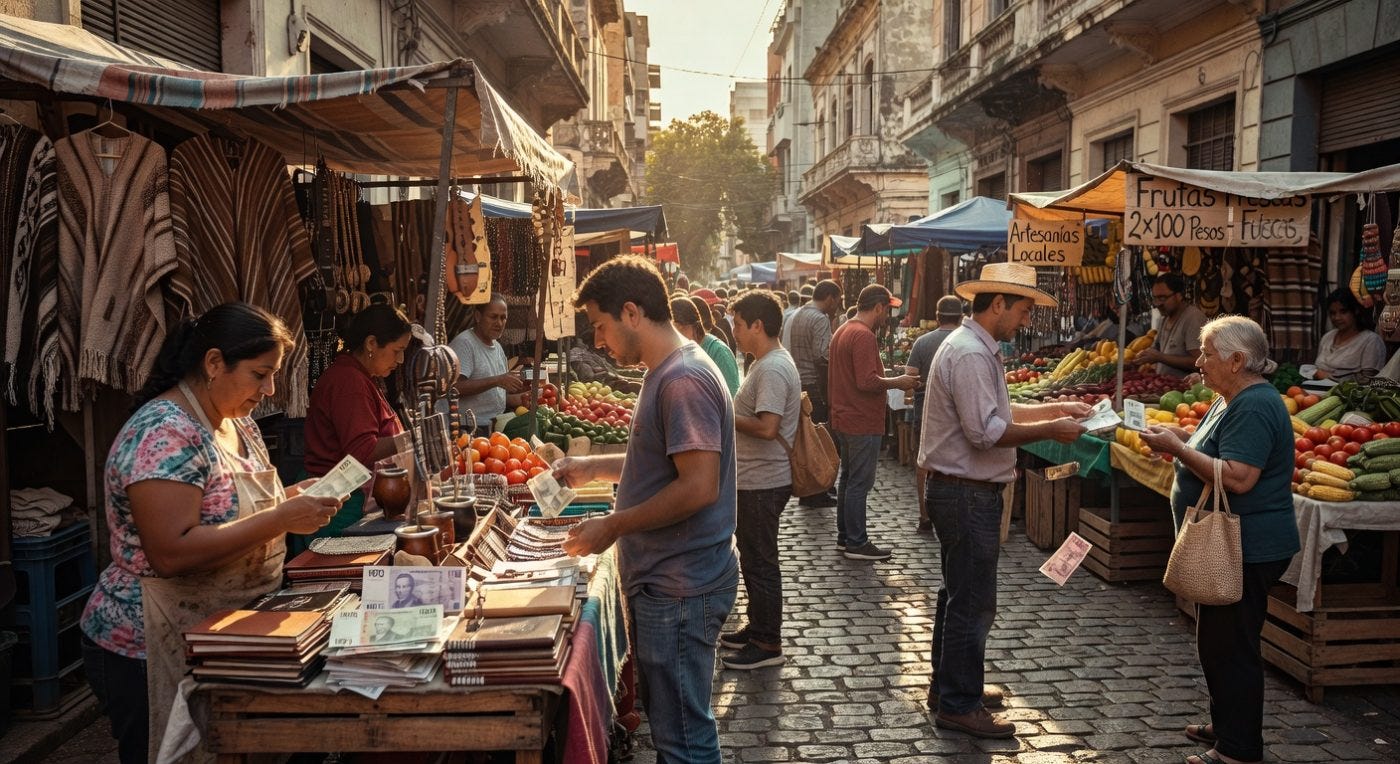
That is not a temperamental quirk. It is the conditioned reflex of a populace that has watched government after government wreck the currency, gate the banks, and confiscate the savings, and concluded the rules are not its friends. The Westerner’s instinct...but how do I report this...is the inverse. We have been told, all our lives, that the people writing the rules are basically benign and the procedures basically work. Most of us have lived inside that assumption for so long that the alternative reflex is unfamiliar.
It is, dare I say it, the mindset of a free person. And it is the mindset most Westerners do not actually have.
Why It Matters Now
The reason this distinction has stopped being academic is that the West is now running stress tests on its own paper rights. Capital controls in functional form already exist in parts of the EU, where some investors are quietly being told their wires cannot be processed. Frozen tax thresholds and quarter-after-quarter rate creep are doing the same job through a different door. And the real shocks... the planting-season fertilizer cascade we wrote about three weeks ago, the bond market that has been compressing for two years and looks ready to break out...are still in front of us.
When a stress event hits, it does not matter how loudly you can complain about it. It matters whether the ground you are standing on bends in your favour, or does not. That is a question of jurisdiction, not party.
The Portfolio Already Knows
This is a thesis that does not stay theoretical for very long once you look at how money is actually arranged. Our Asymmetric Portfolio and our Global Dividend Portfolio are both jurisdictionally weighted by deliberate choice. The names cluster where economic latitude is real regardless of how the political-freedom league table reads. The absences are exactly where you would expect them...Western European jurisdictions running the most aggressive tax-and-control programmes.
That is not an accident, and it is not a comment about the people who live in those places. It is what happens when you stop weighting jurisdictions by political-freedom score and start weighting them by economic-freedom score. By where the rules actually bend in your favour. Not by where the ballot looks the most familiar.
Both of those portfolios sit inside the full Insider Service, not inside the Insider Newsletter on Substack. Two different products. The Newsletter carries the analysis. The Insider Service carries the actual holdings... the named positions, the sizing, the rotation. If you want the why, the Newsletter is where it lives. If you want the what, that is one tier up. Do your own research, as always.
The vote is theatre. The room you are standing in is the substance.