

![[Section Divider Image]](https://substackcdn.com/image/fetch/$s_!pkTX!,w_1456,c_limit,f_webp,q_auto:good,fl_progressive:steep/https%3A%2F%2Fsubstack-post-media.s3.amazonaws.com%2Fpublic%2Fimages%2Fa877b624-8a09-4920-8f36-ab333706fdc2_1320x50.webp "[Section Divider Image]")
I don’t want to be the bearer of bad news. Well, yes I do...that’s what the job pays me for. So here it is: if the fertilizer doesn’t move, we have a famine.
Not “possibly.” Not “in a scenario.” We. Have. A. Famine.
Planting season doesn’t care about diplomacy. The monsoon won’t send a strongly-worded letter to Tehran. And the refineries, port infrastructure, and VLCCs that move the ammonia, urea, sulphur, phosphate, and LNG underpinning every grain-producing region outside the Americas are not operating the way they were three months ago.
Let’s walk through what that actually means, who eats what they grow versus what they import, and why the market is still pricing this as a six-week inconvenience.
Ships Don’t Teleport
Let me deal with the cheerful hallucination first. The hallucination goes: the strait reopens, oil flows, all is well, carry on.
Pull that apart.
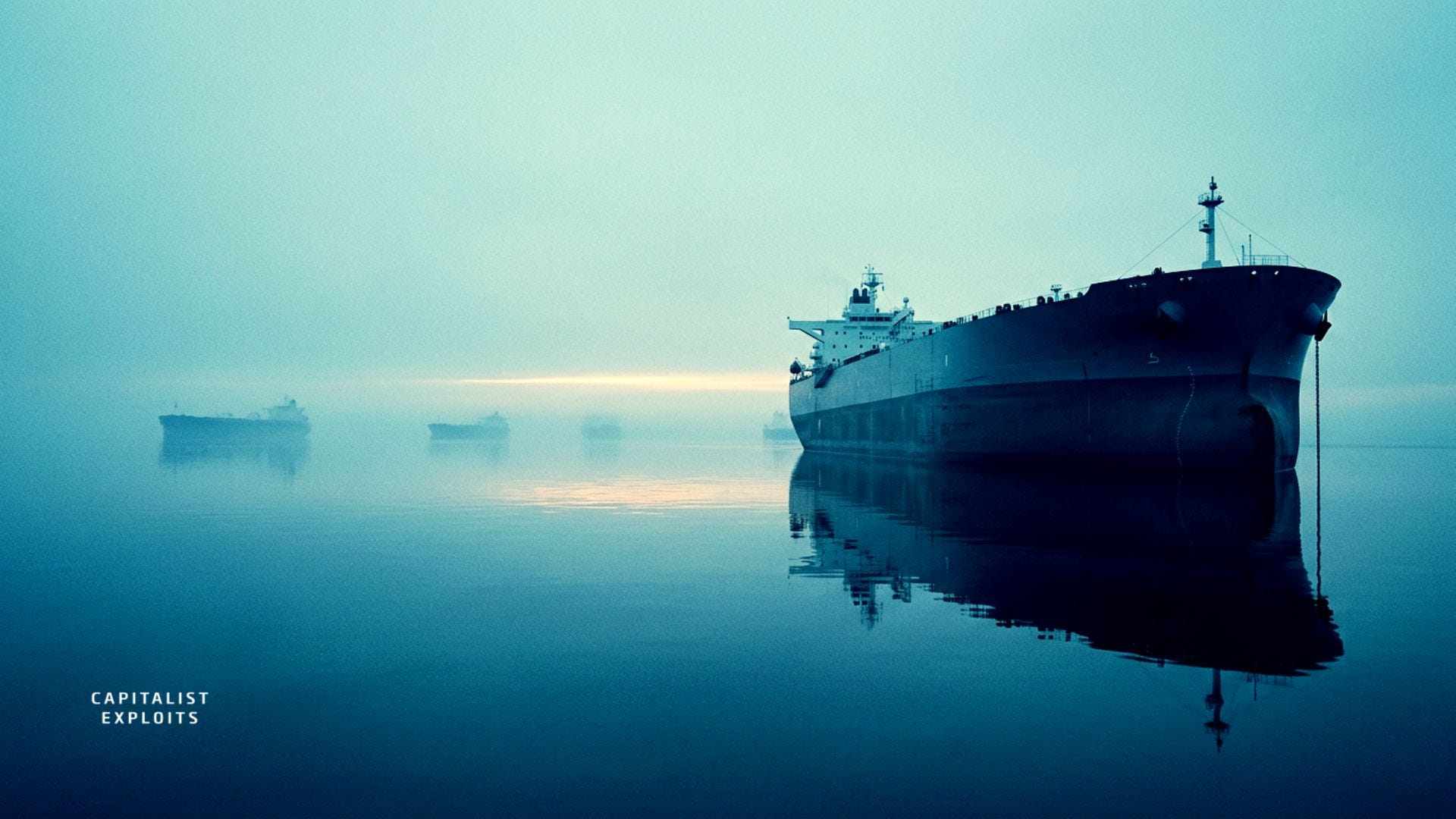
Suppose, just for the sake of argument, that Iran and Washington shook hands tomorrow morning. The tankers still aren’t where they need to be. Owners have spent weeks rerouting to alternative lanes, repositioning fleets, and sitting vessels at anchor waiting for insurance clarity. Maritime analysts tracking this put the reroute-to-normal window at around two months, and that’s a best case. That’s without damaged infrastructure. That’s without insurance markets having to reunderwrite vessels through a strait where the risk premium has just been permanently repriced.
Now add the damaged infrastructure. Refineries, storage tanks, pipeline nodes, loading terminals...these things don’t reboot. Many are looking at timelines anywhere from many months to several years to return to pre-war capacity. The Qatari facilities at Ras Laffan, which we wrote about in You Can’t Print Fertilizer, are a case in point. Gas turbine lead times alone blow out a repair timeline by years, not quarters.
And then, the part nobody wants to mention: Iran doesn’t need to keep the strait open or closed in some binary sense. They just need to demonstrate the ability to strike a vessel once a week. The insurers do the rest. As we laid out in The Toll Booth, the person who decides whether the Gulf is functionally navigable isn’t Donald Trump. It’s the underwriter at Lloyd’s.
The market is pricing a six-week inconvenience. The physics of repositioning a global tanker fleet, rebuilding damaged terminals, and reunderwriting insurance risk through a hot corridor point to something considerably longer.
The Chemistry Lesson Nobody Studied
Here’s the one I’ve been reading up on, because I’m a fund manager, not a chemical engineer. Sometimes the job makes you one.
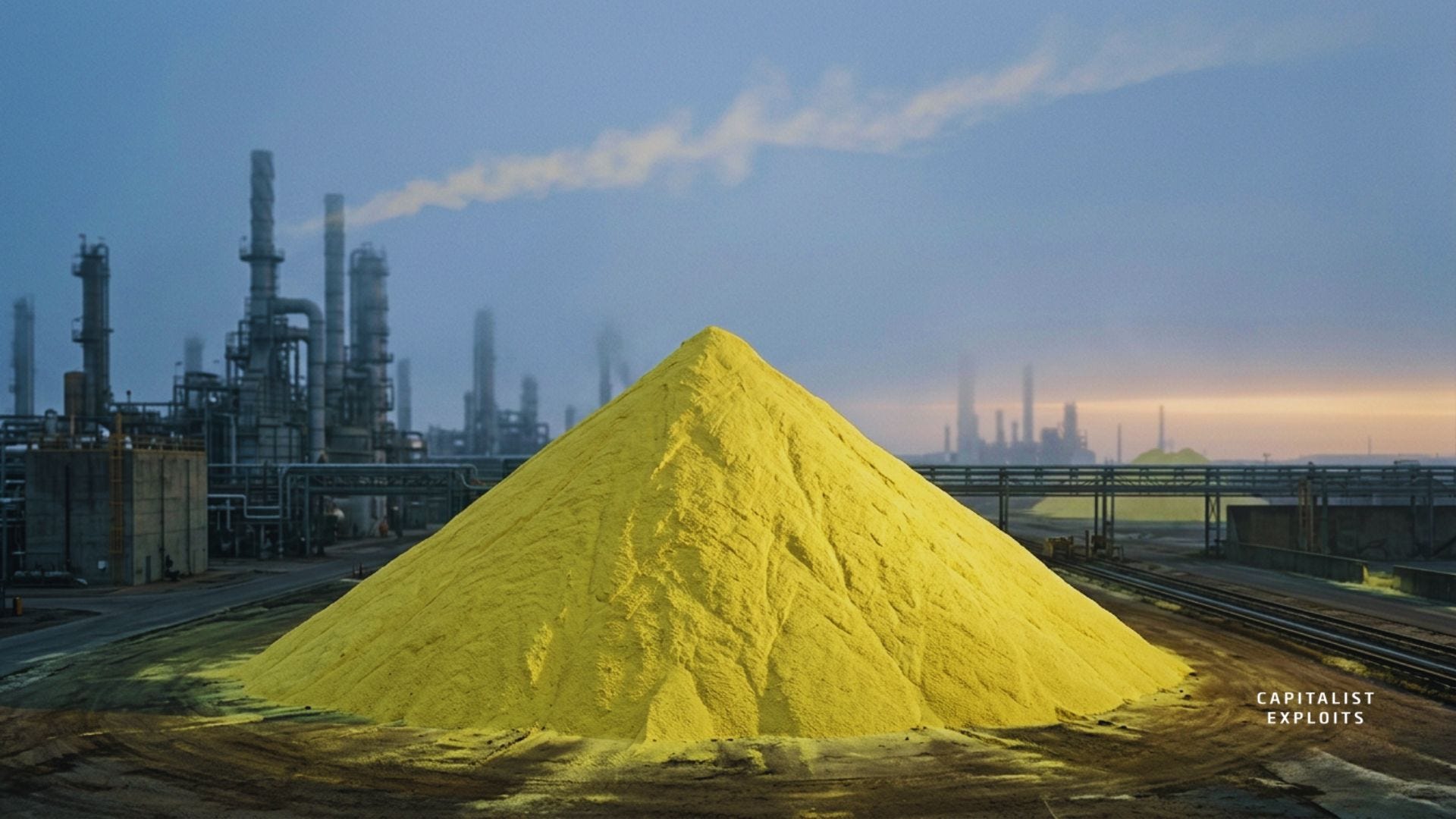
When sour crude is refined, one of the byproducts is sulphur. That sulphur feeds the global sulphuric acid industry. And sulphuric acid is not a boutique chemical. It is the single most-produced industrial chemical on earth. It underpins fertilizer production. It underpins wastewater treatment. And...here’s the wrinkle nobody on Twitter wants to put in their electric vehicle infographic...it is how you extract copper, cobalt, nickel, uranium, and a laundry list of other metals.
The Democratic Republic of the Congo produces around 70 percent of the world’s mined cobalt and a significant share of global copper. The extraction process is brutally sulphuric-acid intensive. The DRC imports hundreds of thousands of tonnes of sulphur annually, most of it seaborne, much of it originating in the Gulf refining complex.
Knock a material share of global sulphur supply offline and you’re not just squeezing fertilizer. You’re squeezing the copper belt. Force majeure declarations are already being flagged across the Katanga region. Chilean producers are now openly discussing the same tightening, with sulphuric acid scarcity upending the entire copper market. Codelco has acknowledged its cash cost has moved up measurably on the acid problem alone, and Antofagasta is watching the same spot pricing climb.
Then China, helpfully, announced export restrictions on sulphuric acid effective May 2026. Because if there’s one thing you want to add to a global shortage, it’s one of the largest producers pulling the ladder up behind them.
So the next time some muppet on Twitter tells you the answer to high oil prices is more electric vehicles, gently remind them that you cannot build an EV battery without your copper and your cobalt, and you cannot extract copper and cobalt at scale without sulphuric acid, and you cannot make sulphuric acid at the required scale without the sour crude running through the very infrastructure that just got hit.
The green transition narrative has always depended on the hydrocarbon complex it claims to be replacing. That dependency is now showing up on a balance sheet somewhere as force majeure.
Who Eats, Who Doesn’t
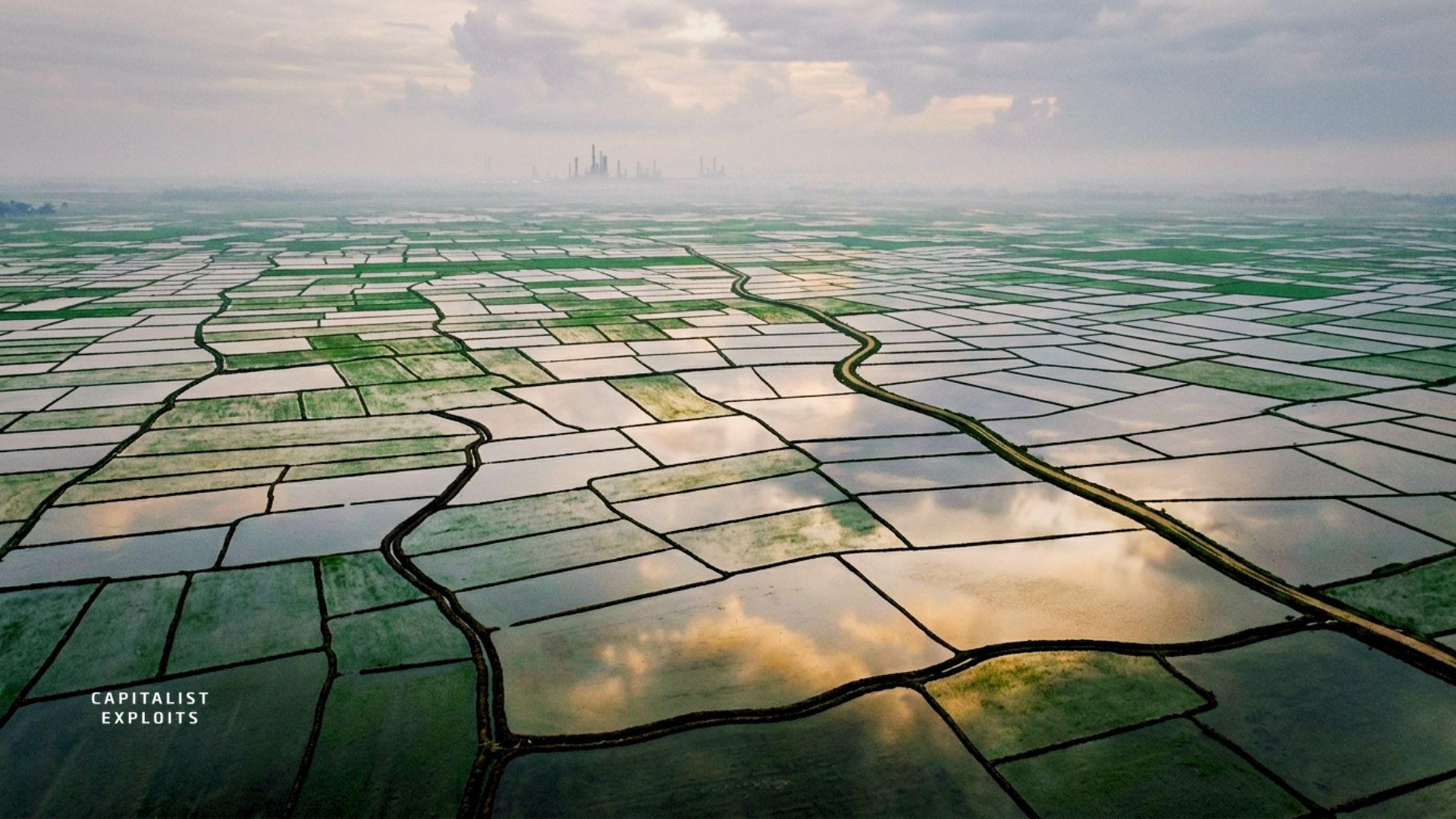
Food production is a stack. To grow wheat, rice, or any grain at industrial scale you need fertilizer (N, P, K, sulphur), diesel, transportation, packaging, processing chemicals, and, eventually, a tractor with tires. Every one of those inputs traces back through the hydrocarbon complex.
Build the regional map from that base and three pictures emerge.
